Polycystic Ovary Syndrome (PCOS/PMOS): Diagnosis and Treatment
Cycle, skin and hair, metabolism and fertility — looked at together, in London
PCOS is the most common hormonal condition in women of reproductive age — around one in ten — and one of the most often got wrong. Some women are told they have it on the strength of a scan alone; others spend years without a diagnosis while their cycles, their skin and their fertility are treated as separate problems.
A diagnosis worth getting right
Polycystic ovaries on a scan are not a diagnosis
Many ovaries show a lot of small follicles, and plenty of women who have them do not have PCOS. The diagnosis needs the cycle, the hormones and the scan read together, and the conditions that imitate PCOS ruled out first. Getting that right decides everything that follows.
Who this pathway is for
Does any of this sound familiar?
Cycles you cannot predict
Periods that arrive every few months, or stop altogether, and no one has explained what is behind it.
Trying, without ovulating
Months of trying with no ovulation to aim at, or ovulation so infrequent that timing anything is guesswork.
A label, but no plan
You were told you have polycystic ovaries, offered the pill or advice to lose weight, and sent on your way.
If you recognise yourself here, the first useful step is a diagnosis that is actually confirmed — and a plan built around what you want next.
What is PCOS?
PCOS is diagnosed when at least two of three features are present: cycles that are irregular or absent, signs of higher androgen levels (acne, excess hair growth, or a raised level on a blood test), and ovaries with many small follicles on ultrasound — once conditions that look similar, such as thyroid disease or a raised prolactin, have been excluded. In adults an AMH blood test can now stand in for the scan, and in the first years after the first period the scan is not used for the diagnosis at all.
Why you may also see it called PMOS
The old name has always been misleading: the “cysts” are not cysts but immature follicles, and the condition is hormonal and metabolic rather than purely ovarian. Dr Rofena uses the newer name — polyendocrine metabolic ovary syndrome, PMOS — which describes it better. Most people, and most of the internet, still say PCOS. They are the same condition.
How it works
Your pathway, step by step
From a confirmed diagnosis to a plan built around your goal.
A diagnosis, confirmed
Your cycle history and symptoms, a pelvic ultrasound and the blood tests that confirm PCOS — and that rule out the conditions which imitate it.
The metabolic picture
Insulin resistance, glucose, lipids and blood pressure. PCOS is a metabolic condition as much as a gynaecological one, and what is measured can be managed.
What you want first
Regular cycles, skin and hair, pregnancy now, or fertility protected for later: the plan starts from the goal you walked in with.
A plan you can follow
Treatment, monitoring and review dates in writing, with ovulation induction or IVF only when they are genuinely the next step.
Investigations for PCOS
A thorough assessment may include:
Confirming the Diagnosis
The three features that define PCOS, measured properly:
- Cycle and symptom history, including when periods changed
- Pelvic ultrasound with antral follicle count
- AMH, which in adults can take the place of the scan
- Testosterone, SHBG and the free androgen index
- LH and FSH, read in the context of your cycle
A scan on its own cannot diagnose PCOS — and within the first years after the first period it is not used for the diagnosis at all.
Ruling Out What Imitates PCOS
Several conditions cause irregular cycles and excess hair growth. Treating the wrong one costs years:
- Thyroid function
- Prolactin
- 17-hydroxyprogesterone, for non-classic congenital adrenal hyperplasia
- Further adrenal testing where the picture calls for it
Metabolic Health
The part of PCOS that is most often left unmeasured, and the part with consequences beyond fertility:
- Fasting glucose and HbA1c, or a glucose tolerance test where indicated
- Markers of insulin resistance
- Lipid profile and blood pressure
- Vitamin D
Fertility
If pregnancy is the goal, now or later:
- Whether, and how often, you are ovulating
- Ovarian reserve: AMH and antral follicle count
- Tubal patency when the history suggests checking it
- Your partner's semen analysis, so the picture is complete
In PCOS the number of eggs is usually high; the obstacle is ovulation, not ovarian reserve. That is why the outlook for pregnancy is generally good.
The Endometrium
Where cycles are long or absent, the lining is assessed:
- Ultrasound assessment of the endometrium
- Hysteroscopy and biopsy when the lining or the bleeding pattern calls for it
Long gaps between periods leave the lining without the progesterone that normally follows ovulation. Over years that raises the risk of endometrial hyperplasia — which is both detectable and preventable.
Symptoms That Affect Daily Life
Part of the condition, not a side issue — and each has treatment of its own:
- Acne, excess hair growth and hair thinning
- Weight changes and how your body responds to food
- Sleep, including symptoms of sleep apnoea
- Mood, which PCOS affects more often than most people are told
Treatment Options
What we recommend depends on the diagnosis and on what you want first. Options may include:
Why VITA
One doctor, not four
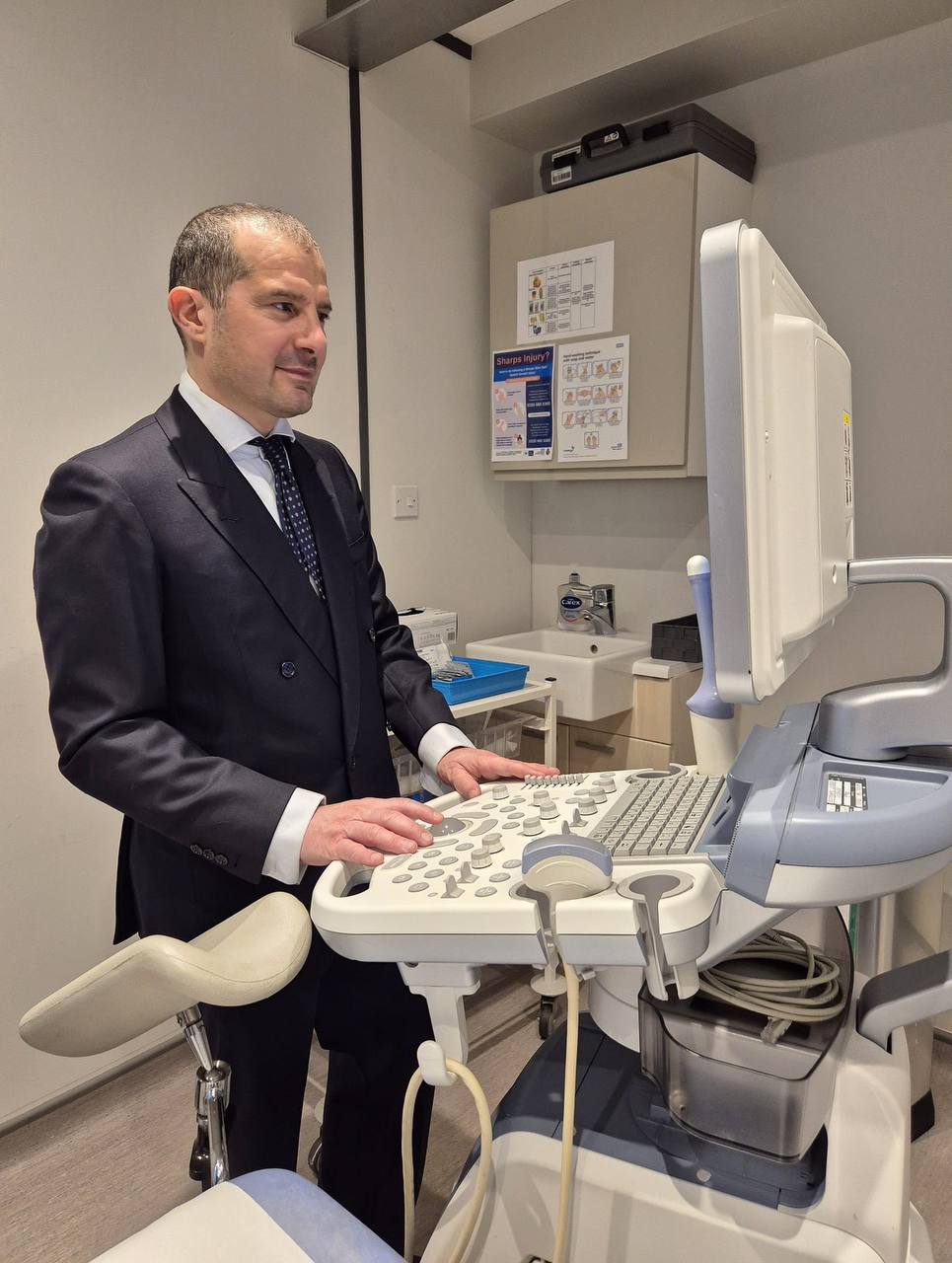
PCOS sits between gynaecology, endocrinology, metabolic medicine and fertility, which is why so many women are passed from one to the next. Dr Simone Rofena has a declared special interest in the diagnosis and treatment of PCOS alongside more than 25 years in reproductive medicine, and treats the cycle, the metabolism and the fertility plan as one problem.

Questions patients ask
Frequently asked questions
Can PCOS be diagnosed from a scan alone?
No. The diagnosis needs at least two of three features: irregular or absent cycles, raised androgens clinically or on a blood test, and the ovarian appearance — with look-alike conditions excluded. Many women have ovaries with multiple follicles and no PCOS at all.
Does PCOS mean I will struggle to get pregnant?
It means ovulation is unreliable, not that pregnancy is out of reach. Most women with PCOS conceive, a good number with nothing more than help to ovulate. Egg numbers are usually in your favour.
Is the pill the only treatment?
No. The combined pill regulates cycles and helps acne and excess hair, and for some women it is the right choice — but it is one option among several, and not the one to pick if you are trying to conceive now.
Do I have to lose weight before anything else?
Where there is excess weight, even a modest loss can restore ovulation, and it is worth doing. But PCOS affects lean women too, and “come back when you have lost weight” is not a plan. We work on metabolic health and on your fertility plan in parallel.
What is metformin for?
It makes the body more sensitive to its own insulin. Where insulin resistance is part of the picture it can help cycles and metabolic markers. It is not a weight-loss drug, and it is not for everyone with PCOS.
Does it matter if my periods are very infrequent?
Yes, and this is the part most often left unsaid. Without ovulation the lining of the womb is not exposed to progesterone, and over years that raises the risk of the lining becoming abnormally thick. It is simple to monitor and to prevent.
Is PMOS the same thing as PCOS?
Yes. Polyendocrine metabolic ovary syndrome is a newer name for the same condition, chosen because the old one points at “cysts” that are not cysts and misses the hormonal and metabolic side entirely.
What happens at the first appointment?
A detailed look at your cycles, symptoms and any tests you already have, a pelvic ultrasound where it is appropriate, and a clear list of the investigations that are indicated for you and why. You leave knowing what is being ruled in and what is being ruled out.
The same condition, in three different bodies, is three different plans
PCOS looks different in a woman whose main concern is her skin, in one who has been trying to conceive for a year, and in one who wants her fertility protected for later. The diagnosis is the same; the plan should not be.
At Vita Fertility Clinic the cycle, the metabolism and the fertility plan are handled together, with the evidence explained as we go and nothing done without a reason you can see.
Often the next step
Know where your fertility stands
If pregnancy is not the plan yet, knowing your ovarian reserve and how your cycles behave now gives you time to decide rather than react. Fertility Planning puts numbers to it.